
Required Car Insurance Coverage — South Dakota
Free to compare
South Dakota's Minimum Coverage Requirements
South Dakota law requires every driver to carry liability insurance with minimum limits of $25,000 bodily injury per person, $50,000 bodily injury per accident, and $25,000 property damage per accident. The state also mandates uninsured motorist coverage at the same 25/50/25 limits. These minimums apply whether you hold a standard license, a restricted license, or are reinstating after suspension.
If your license is suspended for DUI, reckless driving, or driving uninsured, the state adds a second layer: SR-22 filing. The SR-22 is not a separate insurance product — it is a certificate your carrier files with the South Dakota Department of Public Safety proving you carry at least the minimum required coverage. The filing requirement lasts 3 years from the date your carrier submits the form, and any lapse in coverage during that period triggers automatic re-suspension.
“South Dakota's restricted license requires proof of insurance before issuance, but most carriers require a valid license number to bind SR-22 — creating a documentation loop.”

Get Insured on Your Restricted License
Get My Restricted License Insurance Quote$1,367/year
SD Average Annual Premium
South Dakota drivers paid an average of $1,367.39 per insured vehicle in 2023, well below the national average. That figure reflects standard-tier drivers with clean records; SR-22 filers and restricted license holders face meaningfully higher premiums in the non-standard tier.
NAIC 2023 auto insurance expenditure data
How SR-22 Filing Works in South Dakota
South Dakota requires SR-22 filing for DUI convictions under SDCL 32-23-1, other enumerated offenses, reinstatement of suspended or revoked licenses, and unsatisfied judgments from motor vehicle accidents. The filing period is 3 years. Your carrier submits the SR-22 electronically to the Department of Public Safety Driver Licensing division; you do not file it yourself.
The state recognizes two SR-22 variants: owner and non-owner (operator). If you own a vehicle, you need the owner form. If you do not own a vehicle but need to reinstate your license or obtain a restricted license, you need the non-owner form. Non-owner SR-22 covers you when driving any vehicle you do not own; it does not cover a vehicle registered in your name.
Most carriers charge a one-time filing fee set by the carrier and state, typically under $50. The larger cost is the premium increase that comes with moving into the non-standard tier. Carriers writing SR-22 in South Dakota include Geico, Progressive, State Farm, Dairyland, Bristol West, The General, National General, and USAA. Not all standard carriers write SR-22; you will need to compare across the non-standard tier to find coverage.
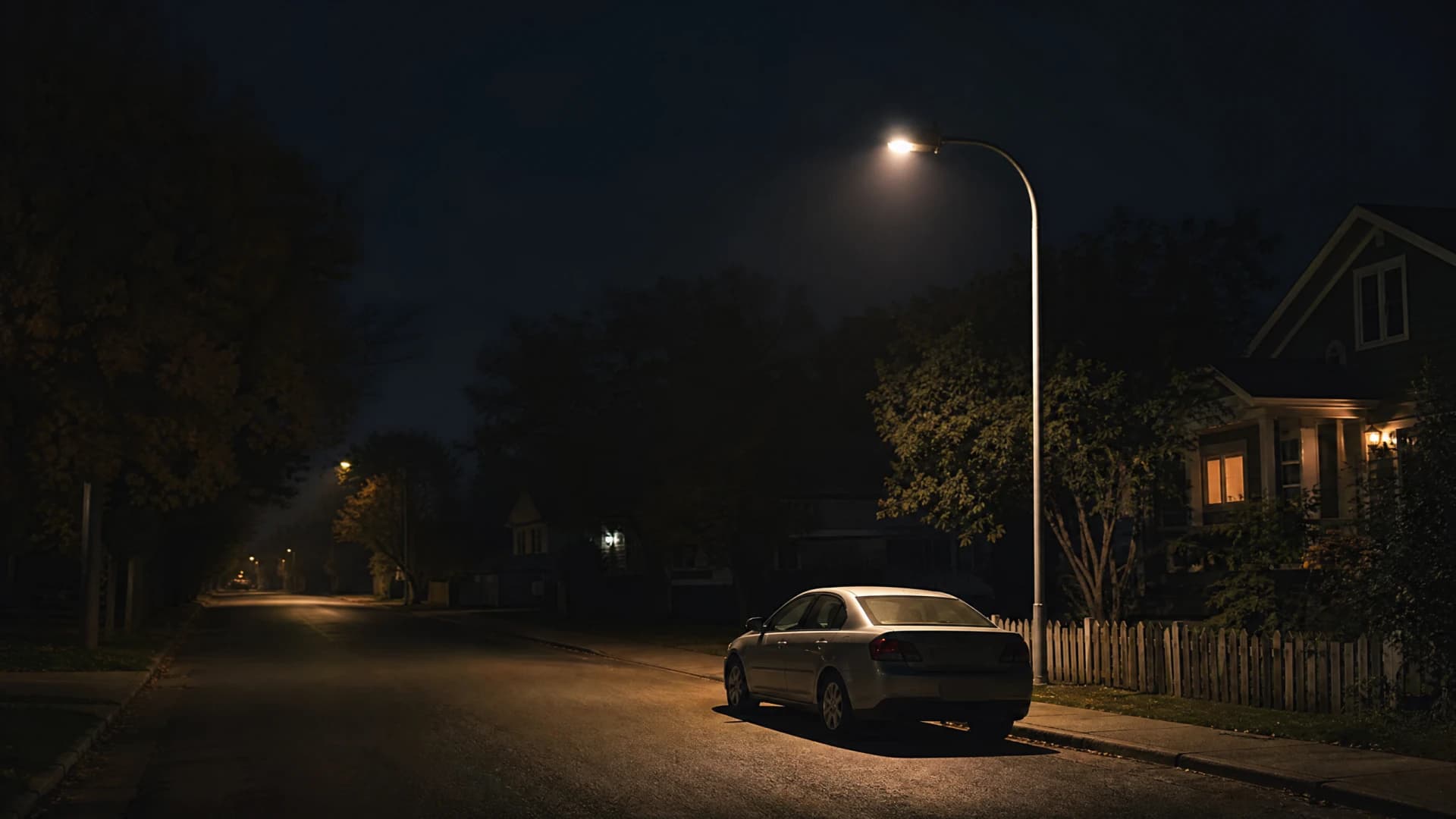
South Dakota's restricted license program requires proof of insurance before the DMV issues the permit — but most carriers require a valid license number to bind SR-22 coverage, creating a documentation loop.
Related Articles






Restricted License Route and Time Restrictions
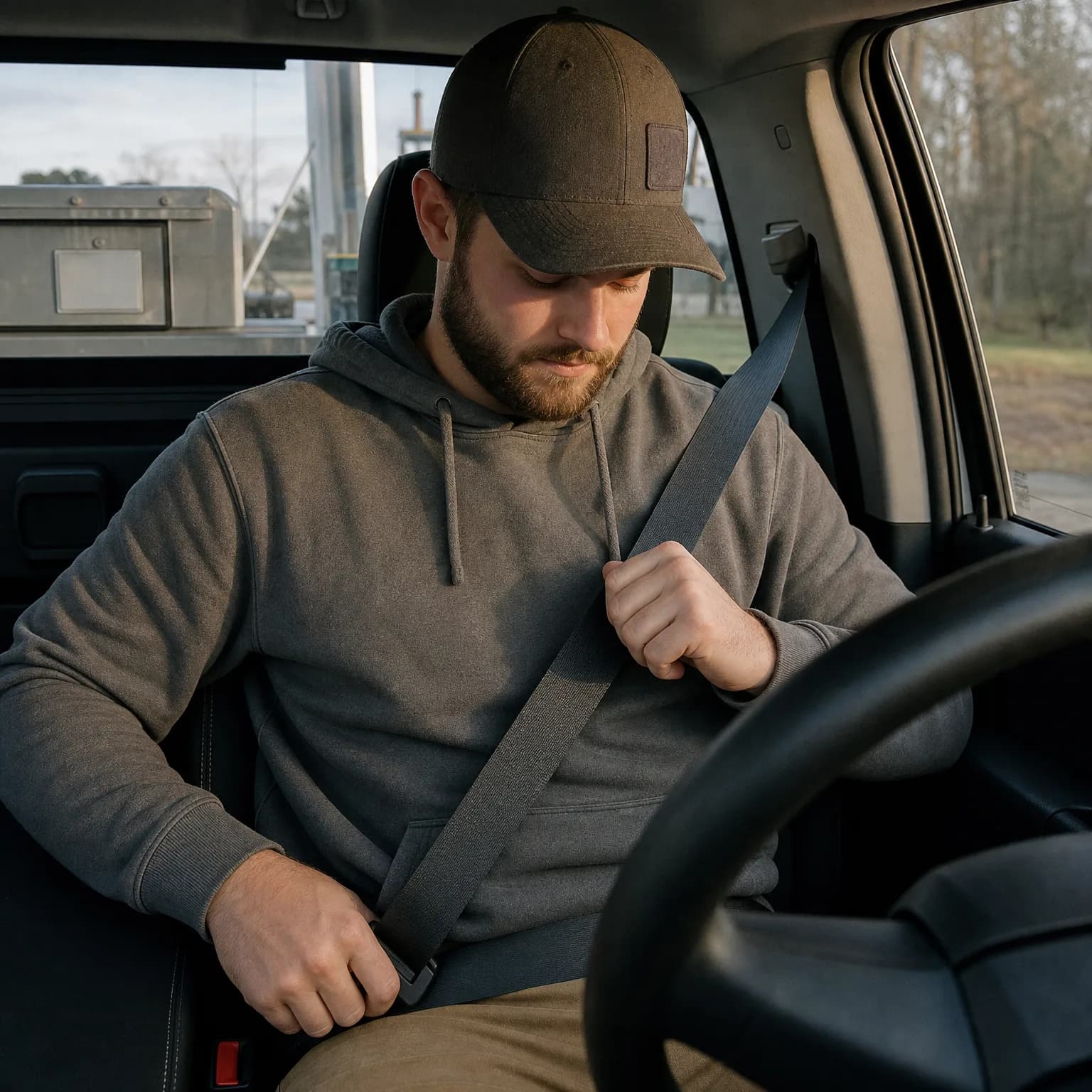
South Dakota restricted licenses are route-restricted: you may drive to, from, and for purposes of employment and school only. The approved hours are printed on the permit and cannot exceed 12 hours per day. If your restricted license is court-ordered for DUI, the court may additionally authorize driving for 24/7 sobriety testing, child care, health appointments, court or probation obligations, and counseling or treatment.
Violating the route or time restrictions printed on your permit triggers revocation without warning in most cases. The DMV does not send a courtesy notice if you are pulled over outside approved hours — the trooper's report goes directly to Driver Licensing and your permit is revoked administratively. If your work schedule changes, you must submit an amended application with updated employer documentation before driving the new hours.
The restricted license period does not count toward your suspension period. If you are suspended for 90 days and hold a restricted license for 60 of those days, you still owe the full 90-day suspension after the restricted period ends unless the court or DMV specifies otherwise. Most DUI suspensions in South Dakota run concurrently with the restricted license period, but points-based and unpaid-fines suspensions do not.
$50
SD Reinstatement Fee
South Dakota charges a $50 base reinstatement fee after most suspensions. DUI suspensions and revocations carry additional fees and may require a driver improvement course or substance abuse evaluation before reinstatement. The reinstatement fee is separate from the SR-22 filing fee your carrier charges.
South Dakota Department of Public Safety Driver Licensing
What Happens If Your SR-22 Lapses
If your insurance lapses or is canceled during the 3-year SR-22 filing period, your carrier is required to notify the South Dakota Department of Public Safety electronically within 10 days. The state suspends your license immediately upon receiving the lapse notice. There is no grace period. You cannot drive legally from the moment the lapse is reported, even if you reinstate coverage the next day.
To lift the suspension, you must obtain new coverage, have your new carrier file a new SR-22, pay the $50 reinstatement fee, and wait for the DMV to process the reinstatement. Processing typically takes 5-10 business days after the new SR-22 is filed. The 3-year SR-22 clock does not reset — it continues from the original filing date — but the lapse itself may extend your suspension period depending on the underlying cause.
Compare Carriers That Write Restricted License Coverage
Not all carriers write SR-22 in South Dakota, and fewer still write non-owner SR-22 for restricted license holders. Geico, Progressive, Dairyland, Bristol West, The General, and National General write both owner and non-owner SR-22 in the state. State Farm writes SR-22 but does not advertise non-owner policies prominently; you will need to call. USAA writes SR-22 for eligible members.
Monthly premiums for SR-22 coverage vary widely by carrier, age, violation history, and county. Drivers with DUI convictions in South Dakota typically pay $223-$449 per month for liability coverage with SR-22 filing, reflecting a 45-129% increase over clean-record rates. Non-owner SR-22 policies cost less than owner policies because they do not cover a specific vehicle, but the filing requirement still places you in the non-standard tier. Compare at least three carriers before binding coverage — the spread between the highest and lowest quote can exceed $100 per month for the same coverage limits.
Restricted License Insurance Setup Sequence
The application path is mail-based: you complete the Application for South Dakota Restricted Permit (Parts I-III for the applicant, Part IV for your employer, Part V if self-employed, Part VI for school plus class schedule if applicable) and mail it to Driver Licensing in Pierre. The application is notarized. The DMV assesses need based on whether you live more than 1 mile from work or school, have a physical handicap, or lack other transportation. Proof of auto insurance is required before issuance.
The documentation loop: most carriers require a valid license number to bind SR-22 coverage, but you need proof of insurance to get the restricted license issued. The workaround is to contact carriers that write non-owner SR-22 in South Dakota and explain you are applying for a restricted license. Some carriers will issue a binder or proof-of-coverage letter contingent on restricted license issuance; others require you to obtain a temporary license number from the DMV first. Call Driver Licensing at the number on the application form to clarify the current procedure — the state has adjusted this process in recent years and county offices sometimes provide conflicting guidance.
Get Your Free Quote
Get My Restricted License Insurance QuoteFrequently Asked Questions
Does South Dakota require SR-22 filing for all suspended licenses?
No. South Dakota requires SR-22 filing for DUI convictions, other enumerated offenses under SDCL 32-23-1, reinstatement of suspended or revoked licenses, and unsatisfied judgments from motor vehicle accidents. Points-based suspensions and unpaid-fines suspensions do not always trigger SR-22 requirements — check your reinstatement letter from the DMV to confirm.
How long does SR-22 filing last in South Dakota?
South Dakota requires SR-22 filing for 3 years from the date your carrier submits the form to the Department of Public Safety. Any lapse in coverage during that period triggers automatic re-suspension and resets the clock. The 3-year period does not reset if you switch carriers, as long as the new carrier files a new SR-22 before the old policy cancels.
Can I get a restricted license in South Dakota if my license is suspended for unpaid tickets?
Yes. South Dakota issues restricted licenses for unpaid fines, points accumulation, and DUI suspensions. The application requires proof that you live more than 1 mile from work or school, have a physical handicap, or lack other transportation. DUI restricted licenses are court-ordered; non-DUI restricted licenses are issued administratively by the DMV after reviewing your notarized application and employer documentation.
What is the difference between owner and non-owner SR-22 in South Dakota?
Owner SR-22 covers a vehicle registered in your name. Non-owner SR-22 covers you when driving any vehicle you do not own. If you do not own a vehicle but need to reinstate your license or obtain a restricted license, you need non-owner SR-22. Non-owner policies cost less than owner policies but still place you in the non-standard tier.
Does South Dakota require uninsured motorist coverage?
Yes. South Dakota mandates uninsured motorist coverage at the same 25/50/25 limits as liability coverage. This requirement applies to all drivers, including those with SR-22 filing requirements and restricted licenses. Most carriers bundle uninsured motorist coverage into their standard liability policies automatically.
How much does SR-22 insurance cost in South Dakota?
Drivers with DUI convictions in South Dakota typically pay $223-$449 per month for liability coverage with SR-22 filing, reflecting a 45-129% increase over clean-record rates. Non-owner SR-22 policies cost less because they do not cover a specific vehicle. The filing fee itself is typically under $50 one-time; the larger cost is the premium increase from moving into the non-standard tier.
What happens if I drive outside my restricted license hours in South Dakota?
Violating the route or time restrictions printed on your South Dakota restricted license triggers administrative revocation without warning. The trooper's report goes directly to Driver Licensing and your permit is revoked. You will need to reapply for a new restricted license, pay a new reinstatement fee, and potentially face additional suspension time depending on the violation.