
Updated May 2026
What Is Non-Owner SR-22 for Restricted License Insurance?
Non-owner SR-22 combines two distinct requirements: a non-owner auto liability policy and an SR-22 certificate of financial responsibility filed with your state DMV. The non-owner policy provides liability coverage when you drive vehicles you don't own, while the SR-22 is the electronic filing your insurer submits to prove you carry continuous coverage. Most restricted-license holders need both because the state requires SR-22 filing to reinstate driving privileges, but they don't own a car during the suspension period. The policy covers bodily injury and property damage you cause while driving someone else's vehicle, up to your selected liability limits.
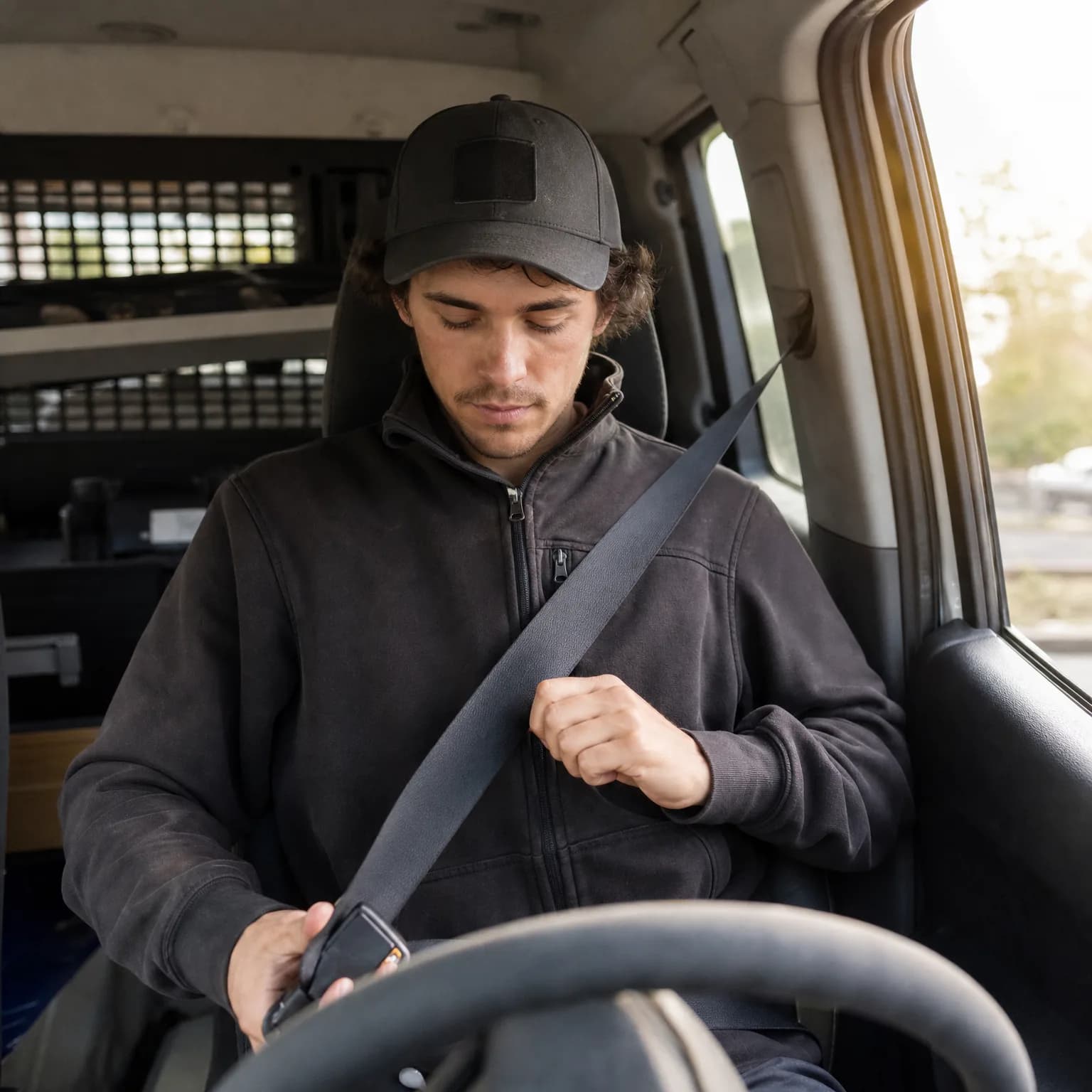
- You borrow a coworker's sedan to run an errand and rear-end another vehicle at a stoplight. The other driver has $8,500 in medical bills and $4,200 in vehicle damage. Your non-owner policy's bodily injury and property damage liability covers the $12,700 total, minus any deductible the at-fault claim triggers. Your friend's policy remains untouched, and their rates don't increase because your coverage responds first as the driver.
- You rent a car for a weekend trip and cause an accident resulting in $15,000 in injuries to the other driver and $6,000 in property damage. If your non-owner policy carries 50/100/25 limits, it pays the full $21,000 because the claim falls within your per-person bodily injury limit of $50,000 and your property damage limit of $25,000. Without non-owner coverage, you'd pay out of pocket or face a lawsuit for the full amount.
- You live with a parent who owns a car you drive three times per week to work under your restricted license. You cause an accident with $18,000 in combined injury and property damage. Your non-owner SR-22 policy denies the claim because regular use of a household vehicle violates the policy exclusion. The parent's policy may cover the accident, but your SR-22 filing lapses because it wasn't attached to valid coverage for that vehicle, triggering a license re-suspension.
How Much Does Non-Owner SR-22 for Restricted License Insurance Cost?
Non-owner SR-22 policies cost $25–$50/month ($300–$600/year) for minimum state liability limits, plus a one-time SR-22 filing fee of $15–$50 depending on the carrier and state.
- Violation type—DUI suspensions increase non-owner premiums 40–80% compared to non-DUI suspensions like unpaid tickets or lapsed coverage.
- Liability limits selected—raising limits from state minimum 25/50/25 to 50/100/50 adds $8–$15/month but provides meaningful protection against lawsuits.
- SR-22 filing duration required by your state—California requires 3 years, Virginia 3 years, Illinois 3 years for first-offense DUI, longer for repeat offenses.

- Driver age and prior insurance history—drivers under 25 or with gaps in prior coverage pay 20–35% more than older drivers with continuous history.
- State of residence—Michigan non-owner policies cost $45–$75/month due to the state's unique unlimited PIP system, while states like Ohio average $25–$40/month.
See How Much You Could Save
Get personalized non-owner sr-22 for restricted license insurance quotes in minutes.
Who Needs Non-Owner SR-22 for Restricted License Insurance?
Non-owner SR-22 is essential for restricted license holders who don't own a vehicle but need continuous liability coverage and SR-22 filing to maintain driving privileges. It's the correct product if you sold your car after suspension, rely on occasional borrowed vehicles or rentals, and your state requires proof of insurance to issue or maintain a restricted license. Drivers in California, Illinois, Michigan, New York, and Virginia transitioning from full suspension to IID-restricted programs use non-owner SR-22 to satisfy DMV reinstatement requirements while avoiding the cost of insuring a vehicle they don't own.
If your DMV reinstatement notice lists SR-22 as a requirement and you don't own a car, non-owner SR-22 is non-negotiable. If you own a vehicle or are listed on a household policy, you need owner SR-22 instead. The monthly cost of $25–$50 is far lower than the risk of driving uninsured during your restricted period, which triggers immediate re-suspension and restarts your eligibility clock in most states.