Restricted Driving Permit — Illinois
Free to compare
Illinois Calls It a Restricted Driving Permit
Your Illinois driver's license was suspended after a DUI conviction and you need to drive to work. You've heard about hardship licenses, but Illinois doesn't use that term — the state issues a Restricted Driving Permit (RDP) or, for first-offense DUI cases during statutory summary suspension, a Monitoring Device Driving Permit (MDDP). The RDP requires a formal hearing before the Illinois Secretary of State, and most applicants don't realize the Breath Alcohol Ignition Interlock Device (BAIID) must be installed in your vehicle before the hearing date. Show up without the device installed and your petition is denied on the spot, regardless of how strong your case is.
The procedural sequence blocks most applicants: you need SR-22 insurance before you can install the BAIID, you need the BAIID installed before the hearing, and you need the hearing approval before you can legally drive. The application fee is $8, but the real cost stack includes BAIID installation ($75-150), monthly monitoring fees ($60-100), SR-22 filing, and the $500 reinstatement fee you'll pay when the suspension period ends. This article walks the exact procedural pathway from suspension notice to legal driving, names the specific blockers that cause denials, and clarifies what the Secretary of State actually requires at each step.
“Show up to your RDP hearing without the BAIID installed and your petition is denied on the spot — the hearing officer cannot approve without verified device installation.”

Get Insured on Your Restricted License
Get My Restricted License Insurance Quote$8
Illinois RDP Application Fee
The Secretary of State charges $8 to file your Restricted Driving Permit petition. This fee does not include BAIID installation, monthly monitoring, SR-22 filing, or the $500 reinstatement fee due when your suspension period ends.
Illinois Secretary of State
RDP vs MDDP: Two Different Programs
Illinois operates two separate restricted-license programs and confusing them blocks most applications. The Monitoring Device Driving Permit (MDDP) is available only to first-offense DUI drivers during the statutory summary suspension period. The MDDP is issued administratively by the Secretary of State without a hearing — you apply, install the BAIID, and receive the permit if you meet eligibility. The MDDP allows driving for any purpose as long as the BAIID is installed and functioning.
The Restricted Driving Permit (RDP) is the hearing-based program for drivers whose licenses have been suspended or revoked for DUI (repeat offenses, refusal cases, or post-conviction) or for other qualifying causes. The RDP requires you to file a formal petition, appear before a Secretary of State hearing officer, and demonstrate undue hardship. If approved, the RDP restricts your driving to specific routes and purposes: between your residence and place of employment, for employment-related duties, or to transport yourself or a household family member to a medical facility. The BAIID is required for all RDP approvals after DUI.
This article focuses on the RDP pathway — the hearing-based program most suspended drivers face. If you're eligible for the MDDP, the Secretary of State will tell you during the application process. Most readers here are past the MDDP window or were never eligible for it.

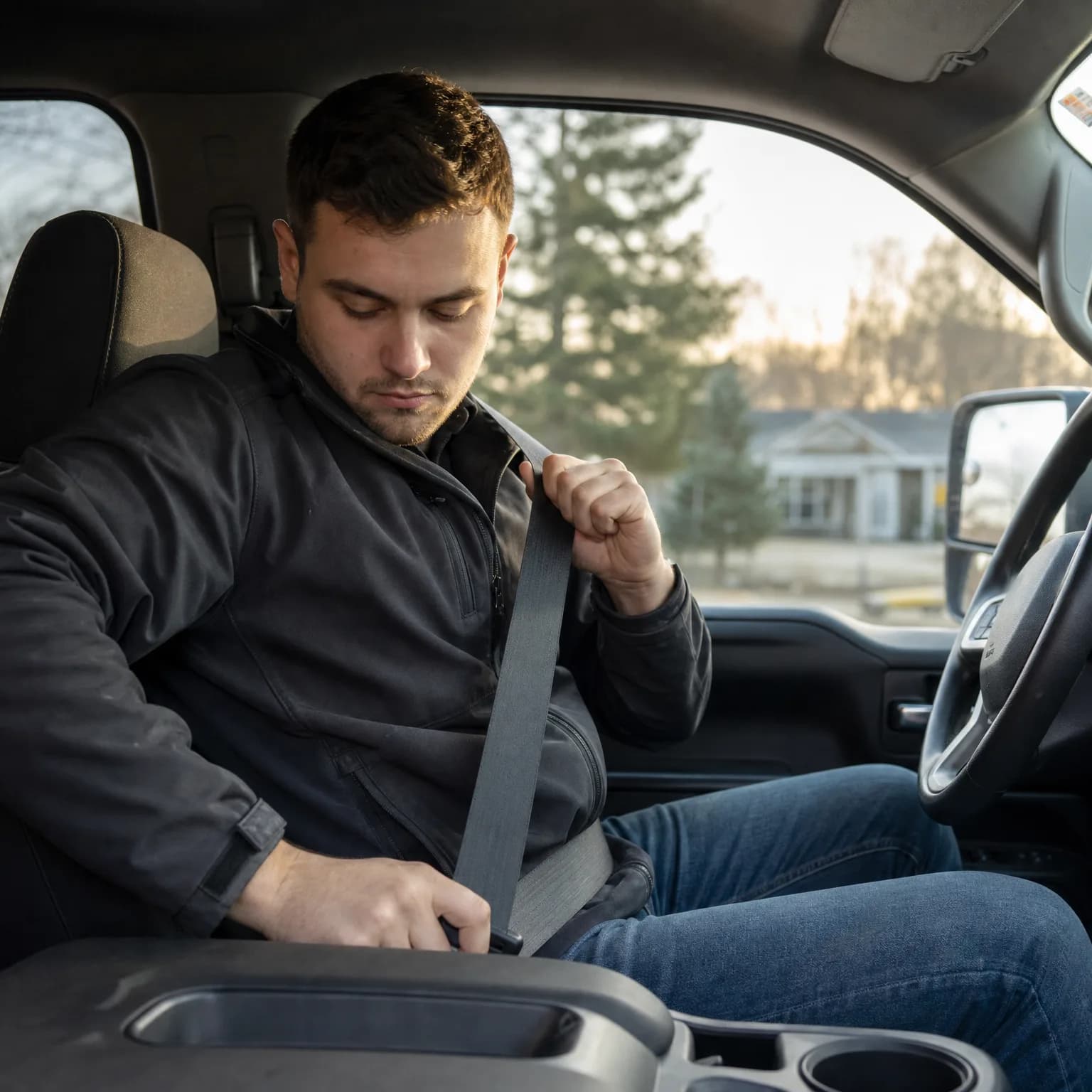
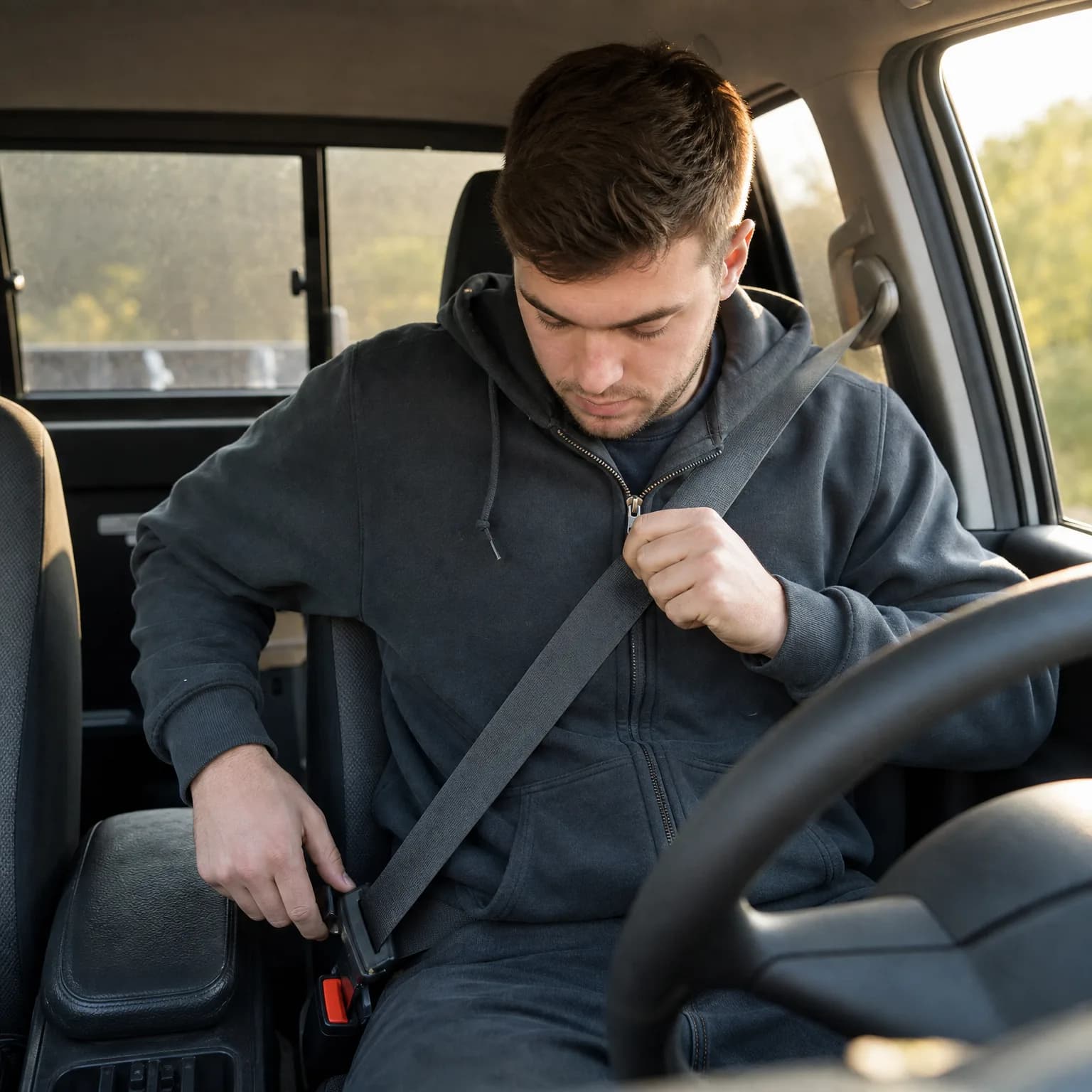
The BAIID must be installed in your vehicle before your RDP hearing date. Show up without proof of installation and your petition is denied automatically — the hearing officer cannot approve an RDP without verified device installation.





The Hearing Process and What the Officer Evaluates
After you submit the complete petition packet and pay the $8 fee, the Secretary of State schedules your hearing. Hearing wait times vary by region — Chicago-area hearings typically schedule 4-8 weeks out; downstate hearings may be faster. You appear before a hearing officer who evaluates whether you meet the statutory requirements for undue hardship and whether granting the RDP serves the public interest.
The hearing officer reviews your driving record, the underlying suspension cause, your employment situation, and whether you've completed required alcohol education or treatment programs. For DUI cases, you must show proof of completion or enrollment in a state-approved DUI risk education program or treatment. The officer verifies BAIID installation through the vendor's certificate. If the device is not installed, the hearing ends immediately with a denial — there is no grace period or conditional approval.
If approved, the RDP specifies the exact routes you're allowed to drive: typically home to work, work to home, and any employment-related driving your employer's letter documented. Medical appointments for yourself or household family members are allowed, but you must carry documentation of the appointment. Driving outside approved routes or times violates the RDP terms and triggers automatic revocation. The RDP remains in effect until your underlying suspension period ends, at which point you pay the $500 reinstatement fee and apply for full license reinstatement.
3 years
Illinois SR-22 Filing Period
Illinois requires SR-22 filing for three years after a DUI conviction. The three-year period starts from the conviction date, not the filing date. Letting your SR-22 policy lapse triggers immediate suspension and revokes your RDP if you have one.
625 ILCS 5/7-702

What Causes RDP Denials and Revocations
The most common denial cause is showing up to the hearing without the BAIID installed. The hearing officer cannot approve an RDP without verified device installation — this is a statutory requirement, not a discretionary judgment. The second most common cause is incomplete employment documentation. A handwritten note from your supervisor is not sufficient; the Secretary of State requires a formal letter on company letterhead with specific details about your work location, hours, and job duties.
After approval, the most common revocation cause is driving outside approved routes or times. The BAIID logs every trip, and the Secretary of State reviews monitoring reports. Driving to the grocery store, picking up your kids from school, or running errands on the weekend all violate RDP terms unless those purposes were explicitly approved in your hearing. A single violation report can trigger revocation without warning. Missed calibration appointments also trigger violations — the device locks you out after a grace period, and the vendor reports the missed appointment to the Secretary of State.
Compare SR-22 Carriers That Write Illinois RDP Coverage
Not every carrier writes SR-22 policies for drivers with active BAIID requirements. Standard-tier carriers like State Farm and Allstate may decline to quote or require underwriting review. Non-standard carriers like Bristol West, Dairyland, The General, and Acceptance Insurance specialize in high-risk coverage and typically approve SR-22 with BAIID simultaneously. Progressive and GEICO write both standard and non-standard tiers and can often bind coverage the same day you apply.
When comparing quotes, verify the carrier will file SR-22 electronically with the Illinois Secretary of State. Electronic filing is faster and reduces the risk of filing gaps that trigger suspension. Ask whether the carrier requires proof of BAIID installation before binding the policy — some do, some don't. Monthly premiums vary widely: non-standard carriers charge higher base rates but approve applicants standard carriers reject. A $300/month SR-22 policy you can actually get beats a $180/month quote from a carrier that denies you after underwriting review. Use the site's comparison tool to request quotes from multiple carriers simultaneously and compare coverage options, filing timelines, and monthly costs side by side.
What You Need Before Filing the RDP Petition
Start with SR-22 insurance. Illinois requires SR-22 filing for three years after a DUI conviction, measured from the conviction date. You need an active SR-22 policy before the BAIID vendor will install the device — most vendors verify insurance coverage before scheduling installation. Contact carriers that write SR-22 policies in Illinois: GEICO, Progressive, State Farm, Dairyland, Bristol West, and The General all write SR-22 in this state. Non-owner SR-22 policies cover you when you don't own a vehicle but need to meet the filing requirement. Monthly premiums for SR-22 after DUI suspension typically run $227-337 in Illinois, 42-82% higher than clean-record rates.
Once you have SR-22 coverage, schedule BAIID installation with a state-approved vendor. Installation costs $75-150 depending on the vendor and vehicle type. Monthly monitoring fees run $60-100. The device requires calibration every 30-60 days, and missed calibration appointments trigger a violation report to the Secretary of State. After installation, the vendor provides a certificate of installation — this certificate is required for your RDP petition. Gather proof of employment (a letter from your employer on company letterhead stating your work address, hours, and job title) and proof of residence (a utility bill, lease agreement, or mortgage statement). The petition form itself is available on the Illinois Secretary of State website under Driver Services.
Get Your Free Quote
Get My Restricted License Insurance QuoteFrequently Asked Questions
Can I get an RDP in Illinois without installing a BAIID?
No. Illinois requires BAIID installation for all Restricted Driving Permits issued after DUI suspension or revocation. The device must be installed before your hearing date, and the hearing officer will deny your petition if you cannot provide proof of installation from a state-approved vendor.
How long does it take to get an RDP in Illinois?
After you submit a complete petition packet and pay the $8 fee, the Secretary of State schedules your hearing 4-8 weeks out in most regions. If approved at the hearing, the RDP is issued immediately. Total timeline from petition filing to legal driving is typically 6-10 weeks, depending on hearing availability and how quickly you complete BAIID installation and SR-22 filing.
What happens if I drive outside my approved RDP routes?
Driving outside approved routes or times violates your RDP terms and triggers automatic revocation. The BAIID logs every trip, and the Secretary of State reviews monitoring reports. A single violation can result in revocation without warning, and you'll face the remainder of your suspension period without any driving privileges.
Does Illinois require SR-22 for the entire RDP period?
Yes. Illinois requires SR-22 filing for three years after a DUI conviction, and the filing requirement continues whether you have an RDP or not. Letting your SR-22 policy lapse triggers immediate suspension and revokes your RDP. The three-year SR-22 period starts from your conviction date, not your RDP approval date.
Can I get an RDP if my license was suspended for unpaid tickets?
Possibly. The RDP is available for drivers who can demonstrate undue hardship, but eligibility depends on the suspension cause. DUI suspensions have a clear RDP pathway; other suspension causes require you to show that you meet the statutory hardship standard. Contact the Illinois Secretary of State Driver Services department to verify eligibility for your specific suspension cause before filing a petition.