Restricted License After DUI — California
Free to compare
The 30-Day Window You Can Skip
You were arrested for DUI in California. DMV sent you an Administrative Per Se suspension notice. The letter says your license suspends in 30 days and you face a four-month hard suspension before you can apply for a restricted license. You have a job that requires driving, and four months without a license means losing that job. What the notice does not explain clearly: under Assembly Bill 91, enacted January 1, 2019, you can skip the entire 30-day hard suspension by installing an ignition interlock device immediately and filing for an IID Restricted License the same week.
This is not a hardship appeal. This is not a petition process. California's IID Restricted License program is an administrative pathway available to all first-offense DUI drivers statewide. The DMV issues the restricted license directly once you provide proof of IID installation, SR-22 filing, and payment of the $125 reissue fee. No hearing. No waiting period beyond the time it takes to complete those three steps. The trade-off: you drive with an ignition interlock device for 12 months, and every failed breath test gets reported to DMV.
“AB 91 lets first-offense DUI drivers skip the four-month hard suspension entirely by installing an IID immediately and filing for the restricted license the same week.”

Get Insured on Your Restricted License
Get My Restricted License Insurance Quote$125
California Reissue Fee
The DMV charges $125 to process and issue the IID Restricted License under Vehicle Code §14904. This fee is separate from IID installation costs, SR-22 filing fees, and monthly monitoring charges.
California Vehicle Code §14904
What the IID Restricted License Actually Covers
California's restricted license authorizes driving to, from, and during the course of your employment. It also covers travel to and from DUI education programs (required for reinstatement), and to and from the IID service provider for calibration appointments. The restriction is purpose-based, not route-based. You are not submitting a map to DMV or getting court-approved routes. The license says you may drive for work, DUI program attendance, and IID servicing. That is the functional boundary.
The restriction does not cover personal errands, social events, childcare outside of work hours, or recreational driving. If you are pulled over on a Saturday driving to a grocery store, the restricted license does not protect you. Violation of restriction terms triggers immediate revocation and restarts your suspension clock from zero. The purpose scope is narrow because the underlying suspension is still active—the restricted license is a conditional exception, not a reinstatement.
Time-of-day restrictions do not apply under California's IID Restricted License program. Unlike some states that limit hardship driving to daylight hours or specific commute windows, California allows driving at any hour as long as the purpose is employment, DUI program, or IID service. Night-shift workers, early-morning commuters, and drivers with variable schedules are not penalized by clock-based boundaries.
Installing the IID before your suspension starts lets you skip the 30-day hard period entirely. Waiting until after the suspension begins locks you into the four-month wait.
Related Articles




The SR-22 Filing Pathway
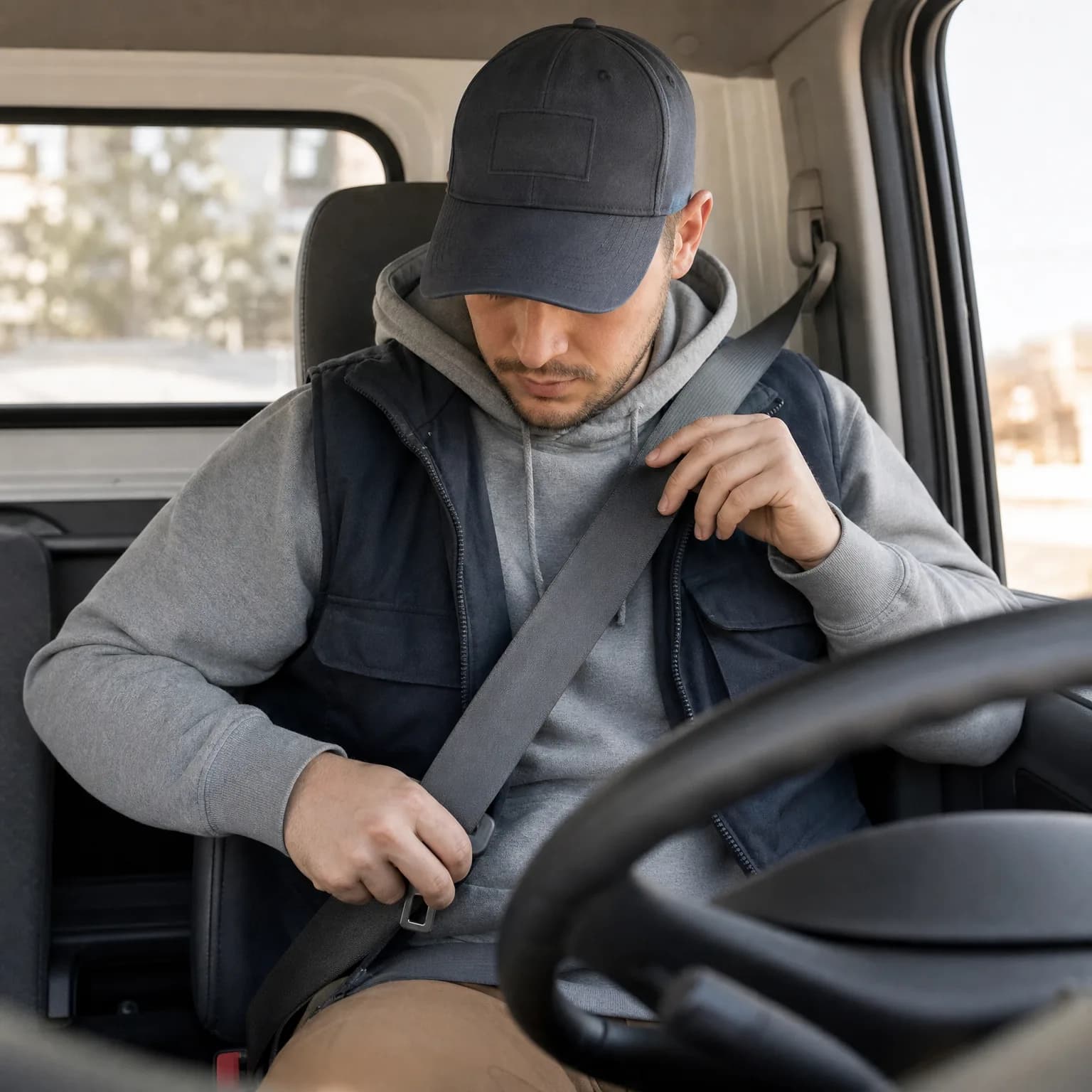
California requires an SR-22 certificate of insurance for all DUI-related restricted licenses. The SR-22 is not a type of insurance—it is a filing your carrier submits to DMV proving you carry at least California's minimum liability coverage: $30,000 per person for bodily injury, $60,000 per accident for bodily injury, and $15,000 for property damage. Not all carriers file SR-22. Standard-market carriers (State Farm, Allstate, USAA) file SR-22 for existing customers in good standing, but often non-renew after a DUI conviction. Non-standard carriers specialize in high-risk drivers and file SR-22 as a core service.
SR-22 filing itself costs $15 to $50 depending on the carrier. The real cost is the premium increase. DUI convictions move you into high-risk underwriting tiers. Monthly premiums for minimum-coverage SR-22 policies in California range from $85 to $180 depending on age, county, and prior violation history. The SR-22 filing must remain active for three years from the date DMV receives it. If your carrier cancels your policy or you let coverage lapse, the carrier notifies DMV electronically within 24 hours and your restricted license suspends immediately. You cannot reinstate without filing a new SR-22 and paying the $125 reissue fee again.
Non-owner SR-22 policies exist for drivers who do not own a vehicle but need to maintain the filing to keep a restricted license active. These policies cost less than standard SR-22 policies because they cover only the named driver, not a specific vehicle. Monthly premiums for non-owner SR-22 in California typically run $40 to $90. Non-owner SR-22 does not cover you if you drive a household member's car regularly—it is designed for occasional use of borrowed or rental vehicles.
3 years
SR-22 Filing Period
California requires continuous SR-22 filing for three years after a DUI-related suspension. The period begins the day DMV receives the filing, not the day you apply for the restricted license. Any lapse in coverage restarts the three-year clock.
California Vehicle Code §16070
How the AB 91 Opt-In Works
Under the traditional APS suspension process, first-offense DUI triggers a 30-day notice period followed by a four-month hard suspension. After four months, you become eligible to apply for an IID Restricted License. AB 91 created an alternative pathway: install an IID before your suspension starts, file SR-22, pay the $125 reissue fee, and DMV issues the restricted license immediately—skipping the four-month wait entirely. The catch: you must act during the 10-day window after your APS notice to request a stay of suspension pending IID installation. If you miss that 10-day window, the suspension proceeds under the traditional timeline.
The AB 91 pathway does not erase the suspension. Your driving record still shows a DUI suspension. You still owe three years of SR-22 filing. You still face the 12-month IID requirement. What AB 91 eliminates is the hard suspension period—the months where you cannot drive at all. For drivers whose jobs depend on a license, that difference is the line between employment and unemployment.
Where Drivers Get Stuck
Most drivers do not know the 10-day administrative hearing request window exists until it has already closed. The APS notice explains your right to request a hearing, but it does not clearly highlight that requesting the hearing within 10 days is also the mechanism to stay the suspension and buy time to install an IID under AB 91. Missing that window locks you into the traditional four-month hard suspension. Once the suspension takes effect, you cannot retroactively opt into the AB 91 pathway—you wait out the four months, then apply.
Drivers who install an IID but do not file SR-22 before applying for the restricted license face application rejection. DMV requires proof of both before processing. The IID provider sends electronic confirmation to DMV within 24 hours of installation, but SR-22 filings can take three to five business days depending on the carrier's submission process. Filing for the restricted license before both documents hit DMV's system results in denial and forces reapplication after both are confirmed. Plan the sequence: install IID, file SR-22, wait for both confirmations, then submit the restricted license application and fee.
The IID Installation Requirement
Installation costs range from $75 to $150 depending on the provider and vehicle type. Monthly monitoring fees add another $60 to $100. Calibration appointments every 60 days are required and cost $20 to $40 per visit. Over the 12-month restricted license period, total IID expenses typically run $900 to $1,500. These costs are not covered by insurance and are not reimbursed by the state. Payment plans are available through most certified providers, but the device must be installed before you can file for the restricted license.
The IID records every ignition attempt, every breath test, and every failed start. A failed breath test (BAC at or above the device's threshold, typically .02% in California) triggers a violation report to DMV. One failed test does not automatically revoke your restricted license, but a pattern of failures or a single high-BAC reading can. DMV reviews violation reports and may require a reexamination hearing or revoke the restricted license outright. The IID does not prevent the vehicle from starting after a failed test if you are already on the road—it logs the violation and requires a clean retest within a short window. Ignoring retest prompts generates additional violations.
Get Your Free Quote
Get My Restricted License Insurance QuoteFrequently Asked Questions
How long does California's IID Restricted License last?
California issues the IID Restricted License for 12 months for first-offense DUI suspensions. The 12-month period begins the day DMV issues the license, not the day you install the IID or file SR-22. After 12 months with no violations, you may apply for full license reinstatement if you have completed your DUI program and maintained SR-22 for the required period.
Can I drive out of state with a California IID Restricted License?
California's IID Restricted License does not authorize out-of-state driving. The license is valid only within California and only for the purposes specified: employment, DUI program, and IID servicing. If your job requires interstate travel, the restricted license does not cover that scope. Driving outside California on a restricted license is a violation and triggers revocation.
What happens if I fail a breath test on the IID during the restricted period?
A failed breath test generates a violation report to DMV. One isolated failure does not automatically revoke your restricted license, but DMV reviews all violation reports. A pattern of failures, a high-BAC reading, or evidence of tampering can result in a mandatory reexamination hearing or immediate revocation. If revoked, you restart the suspension clock and lose eligibility for a restricted license for the remainder of the original suspension period.
Does the AB 91 pathway apply to second-offense DUI in California?
No. AB 91's immediate IID Restricted License pathway applies only to first-offense DUI suspensions. Second and subsequent DUI offenses face longer mandatory hard suspension periods—typically one year before restricted license eligibility—and longer IID requirements (up to two or three years depending on offense count). The 10-day stay option does not eliminate the hard suspension for repeat offenders.
Can I get a restricted license in California if my suspension was for unpaid tickets?
No. California does not issue restricted licenses for suspensions triggered by failure to appear in court (FTA) or unpaid fines under Vehicle Code §13365. Those suspensions require clearing the underlying court matter or paying the fines. Once the court releases the hold, DMV lifts the suspension. There is no hardship or restricted driving option for FTA-based suspensions.
How much does SR-22 insurance cost in California after a DUI?
Monthly premiums for minimum-coverage SR-22 policies in California typically range from $85 to $180 after a DUI, depending on age, county, driving history, and the carrier's underwriting tier. Non-owner SR-22 policies cost less, usually $40 to $90 per month. The SR-22 filing fee itself is $15 to $50. These are estimates; actual rates vary by carrier and individual risk profile.
Do I need a lawyer to apply for California's IID Restricted License?
No. The IID Restricted License is an administrative process through DMV, not a court proceeding. You do not need an attorney to install an IID, file SR-22, or submit the restricted license application. A DUI attorney may help with the criminal case or the APS hearing, but the restricted license application itself is a straightforward DMV transaction once you meet the three requirements: IID installation, SR-22 filing, and payment of the $125 reissue fee.