
No-Money-Down SR-22 Filing — Kansas Restricted License
Free to compare
Kansas Restricted License Requires SR-22 Before Court Approval
You received a DUI suspension notice from Kansas Department of Revenue Division of Vehicles, and your restricted license court petition is due in 30 days. The court will not review your application without proof of SR-22 insurance attached to the filing. Every carrier you called quotes $150–$300 down, and you do not have it right now. The procedural reality: Kansas courts grant restricted driving privileges only after you demonstrate continuous insurance coverage via SR-22, and the 30-day hard suspension period under K.S.A. 8-1002 starts from the date of your administrative license suspension notice — not the date you file for restricted privileges.
Kansas uses the term Restricted License for its post-DUI hardship program, and the application path runs through the district court where your DUI case was filed. The court requires an SR-22 certificate of financial responsibility filed with the Kansas Division of Vehicles before approving your restricted license petition. Zero-down SR-22 carriers are structurally rare in Kansas because SR-22 is a certificate attached to an auto insurance policy, and underwriters classify DUI suspensions as high-risk — most require a deposit to bind coverage. The few carriers offering payment plans typically require at least one month down before filing the certificate.
“Kansas courts dismiss incomplete restricted license petitions without prejudice — no SR-22 certificate on file means no hearing, no second chance without refiling.”

Get Insured on Your Restricted License
Get My Restricted License Insurance Quote30 days
Kansas DUI Hard Suspension
First-offense DUI administrative license suspension under K.S.A. 8-1002 imposes a mandatory 30-day hard suspension before restricted driving privileges become available. The clock starts from the administrative suspension effective date on your DOR notice, not from your court petition filing date.
K.S.A. 8-1002 (Kansas Statutes Annotated)
Kansas Operates Two Parallel Suspension Tracks
Kansas DUI suspensions involve two separate proceedings: an administrative suspension by the Kansas Department of Revenue Division of Vehicles triggered by breath or blood test results, and a criminal court suspension imposed as part of sentencing. The administrative suspension is automatic under the state's implied consent law (K.S.A. 8-1001 through 8-1025) and runs concurrently with any judicial suspension. A restricted license granted by the district court addresses the judicial suspension only — it does not automatically resolve the administrative suspension.
You must satisfy both tracks independently. The Division of Vehicles requires SR-22 filing and payment of a $200 reinstatement fee before lifting the administrative suspension. The court requires SR-22 filing, ignition interlock device installation, and proof of employment or necessity before granting restricted driving privileges. Both processes demand SR-22 as a precondition, but the court hearing for restricted privileges typically cannot proceed until the 30-day hard suspension period expires. Timing the SR-22 filing to align with the court petition deadline is the structural challenge most Kansas drivers miss.
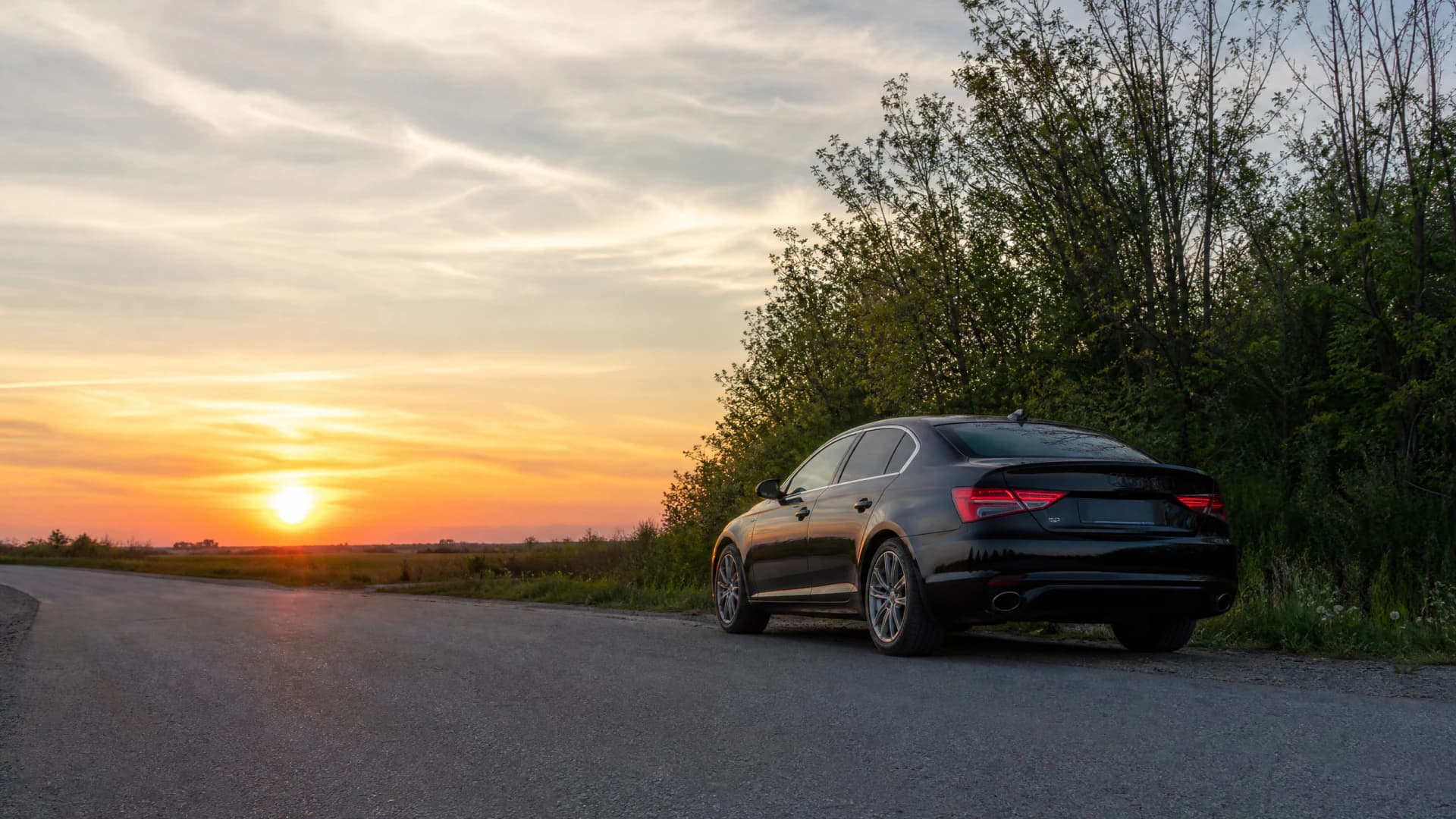
Kansas restricted license petitions require SR-22 proof attached to the court filing. No carrier filing means no court review — the application is incomplete without it.
Related Articles

Kansas SR-22 for Restricted License Filing
5/30/2026
Kansas SR-22 Cost for Restricted License
5/30/2026
Kansas Restricted License While Suspended
5/30/2026

Cheapest Kansas Restricted License Insurance
5/30/2026
Cheapest Non-Owner SR-22 Kansas Restricted
5/30/2026

Cheapest Kansas Restricted License Insurance
5/30/2026

Restricted License Documentation and Court Petition Process
Kansas restricted license petitions require proof of employment or necessity, the SR-22 certificate filed with the Division of Vehicles, and evidence of ignition interlock device installation. The court petition is filed in the district court where your DUI case was assigned, and most counties require a formal hearing before a judge. The hearing typically occurs 2–4 weeks after petition filing, and the court uses the hearing to verify your employment details, review the routes and hours you are requesting, and confirm SR-22 and IID compliance.
The court will not issue restricted driving privileges retroactively. If your 30-day hard suspension expires on March 15 but your SR-22 filing does not reach the Division of Vehicles until March 20, your restricted license eligibility begins March 20 — not March 15. The five-day gap costs you five days of restricted driving access. Kansas courts define restricted driving privileges narrowly: travel between home and work, home and school, home and medical appointments, and home and court-ordered programs (DUI education, substance abuse treatment). Grocery shopping, childcare, and errands are typically not approved purposes unless you demonstrate no alternative transportation.
The court sets specific hours and routes at the time of issuance. Violating the route or time restrictions triggers automatic revocation of the restricted license and reinstatement of the full suspension period. Kansas does not provide a warning or grace period for violations — the Division of Vehicles receives electronic notice from law enforcement when you are stopped outside approved times or locations, and revocation is administrative. Most Kansas drivers lose restricted privileges not because they reoffend but because they deviate from the court-approved schedule without filing an amendment petition first.
$200
Kansas DUI Reinstatement Fee
Kansas charges a $200 reinstatement fee to lift the administrative suspension after DUI. This fee is separate from SR-22 filing costs, court petition fees, and ignition interlock installation. The fee is paid to the Division of Vehicles, not the court, and is required before full driving privileges are restored.
Kansas Department of Revenue Division of Vehicles

Ignition Interlock Device Costs and Monitoring
Kansas requires ignition interlock device installation as a condition of restricted driving privileges for all DUI-related suspensions under K.S.A. 8-1015. The IID must be installed by a state-approved vendor before the court will approve your restricted license petition. Installation costs range from $75–$150 depending on vendor and vehicle type. Monthly monitoring and calibration fees range from $60–$100, and calibration is required every 30–60 days depending on the device model and court order.
The Division of Vehicles maintains a list of approved IID providers on its website at ksrevenue.gov. Using a non-approved vendor voids your restricted license eligibility and delays court approval. IID vendors report compliance data electronically to the Division of Vehicles, and any tampering, failed start attempts, or missed calibration appointments trigger an automatic violation notice. The court receives the violation report and can revoke restricted driving privileges without a hearing if the violation is substantiated. Monthly IID costs are not covered by insurance and are the driver's responsibility for the duration of the restricted license period — typically 6–12 months for first-offense DUI, longer for repeat offenses.
Compare Kansas SR-22 Carriers Now
Kansas restricted license approval depends on timely SR-22 filing, and waiting until the court petition deadline to secure coverage compresses your options. Carriers offering monthly payment plans require income verification and employment confirmation before binding coverage, and approval timelines vary by carrier workload. Start the SR-22 quote process at least 10 days before your restricted license petition deadline to allow time for underwriting review, deposit payment, and electronic filing with the Division of Vehicles. The court will not accept a pending SR-22 application — the certificate must be on file with the Division of Vehicles before the hearing.
Use the comparison tool on this site to identify Kansas carriers writing SR-22 policies for DUI suspensions. Filter by payment plan availability and compare deposit requirements across Progressive, Geico, The General, Bristol West, and National General. If zero-down options are unavailable, request a court continuance to extend your filing window rather than submitting an incomplete petition. Courts grant continuances for financial hardship, but they dismiss incomplete petitions without prejudice — forcing you to refile and pay a second petition fee.
Kansas SR-22 Carriers and Payment Structure
Geico, Progressive, The General, and State Farm write SR-22 policies in Kansas, but payment terms vary by carrier and individual risk profile. Progressive and The General offer monthly payment plans after an initial deposit, typically one month premium plus a $25–$50 SR-22 filing fee. Geico and State Farm quote competitively but rarely waive the down payment requirement for high-risk filers. Bristol West and Dairyland operate in Kansas as non-standard carriers and write SR-22 policies, but both require deposits to bind coverage. National General writes SR-22 policies in Kansas and occasionally offers low-down-payment structures for employed applicants with verified income, but approval is not guaranteed.
The SR-22 filing fee itself ($25–$50 depending on carrier) is separate from the premium deposit and is non-refundable. Kansas law does not require carriers to offer zero-down SR-22 filing, and most underwriters view the deposit as risk mitigation for drivers with DUI violations. If you cannot afford the down payment before your restricted license court petition deadline, consider requesting a continuance from the court to extend the filing window while you accumulate the deposit. Courts grant continuances for financial hardship more readily than they accept incomplete petitions.
Get Your Free Quote
Get My Restricted License Insurance QuoteFrequently Asked Questions
Can I get SR-22 insurance in Kansas with no money down?
Zero-down SR-22 policies are rare in Kansas because SR-22 certificates attach to auto insurance policies, and carriers classify DUI suspensions as high-risk. Most Kansas carriers (Progressive, Geico, The General, State Farm) require at least one month premium plus a $25–$50 SR-22 filing fee to bind coverage. National General occasionally offers low-down-payment plans for employed applicants, but approval depends on income verification and is not guaranteed.
How long does Kansas require SR-22 filing after a DUI?
Kansas typically requires SR-22 filing for 1 year after DUI-related suspension under K.S.A. 8-1015, measured from the date of reinstatement, not the conviction date. The Division of Vehicles monitors SR-22 compliance electronically, and any lapse in coverage triggers automatic license re-suspension. Some repeat-offense DUI cases require longer SR-22 filing periods as determined by the court.
What is the 30-day hard suspension in Kansas?
Kansas imposes a mandatory 30-day hard suspension for first-offense DUI under K.S.A. 8-1002, starting from the administrative suspension effective date on your DOR notice. During the hard suspension period, no restricted driving privileges are available — you cannot drive for any reason. Restricted license petitions can be filed during this period but will not be approved until the 30 days expire.
Does Kansas restricted license work for childcare or grocery shopping?
Kansas courts typically restrict driving privileges to travel between home and work, school, medical appointments, and court-ordered programs (DUI education, substance abuse treatment). Grocery shopping and childcare are generally not approved purposes unless you demonstrate no alternative transportation and the court explicitly adds those purposes to your restricted license order. Violating approved purposes triggers automatic revocation.
How much does ignition interlock cost in Kansas?
Kansas ignition interlock device installation costs $75–$150, and monthly monitoring and calibration fees range from $60–$100. Calibration is required every 30–60 days depending on the device model and court order. IID costs are not covered by insurance and are the driver's responsibility for the duration of the restricted license period, typically 6–12 months for first-offense DUI.
Can I drive in Kansas while waiting for restricted license approval?
No. Kansas does not allow driving during the 30-day hard suspension period, and restricted driving privileges do not begin until the court approves your petition and the Division of Vehicles receives your SR-22 filing. Driving on a suspended license in Kansas is a separate criminal offense and will result in extended suspension, additional fines, and potential jail time.